
OAKLAND, Calif. — One of the most historic rivalries in Mexican soccer returned to the United States on Sunday, October 4, 2026, as Chivas Guadalajara defeated Club América 2-0 at the Oakland Coliseum in the Clásico de México. Despite being classified as an international friendly, the highly anticipated meeting between the two Liga MX giants delivered a competitive atmosphere, passionate supporters, and a memorable performance from Guadalajara forward Ángel Sepúlveda, who scored both goals in the first half to secure the victory for the Rebaño Sagrado.
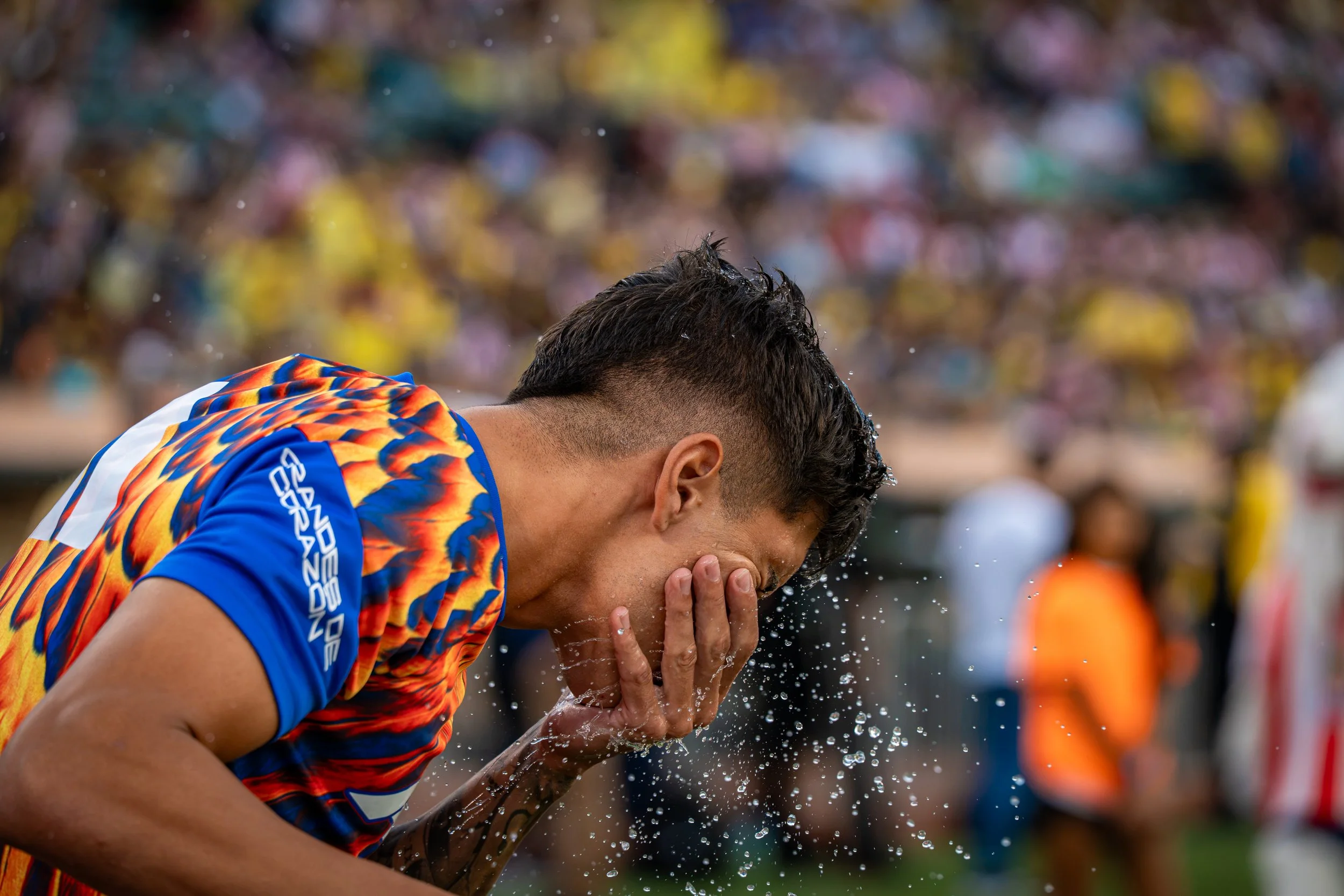
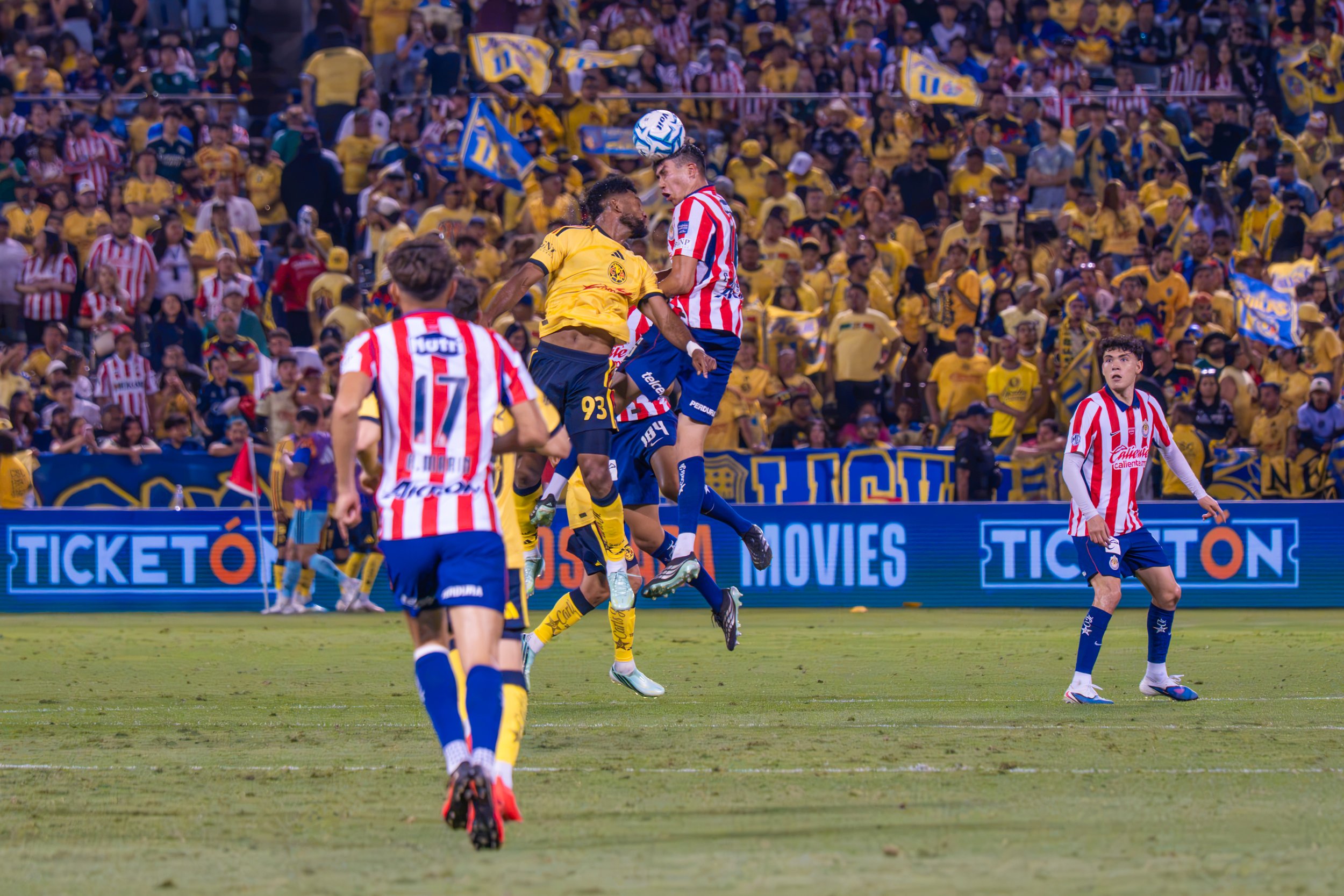
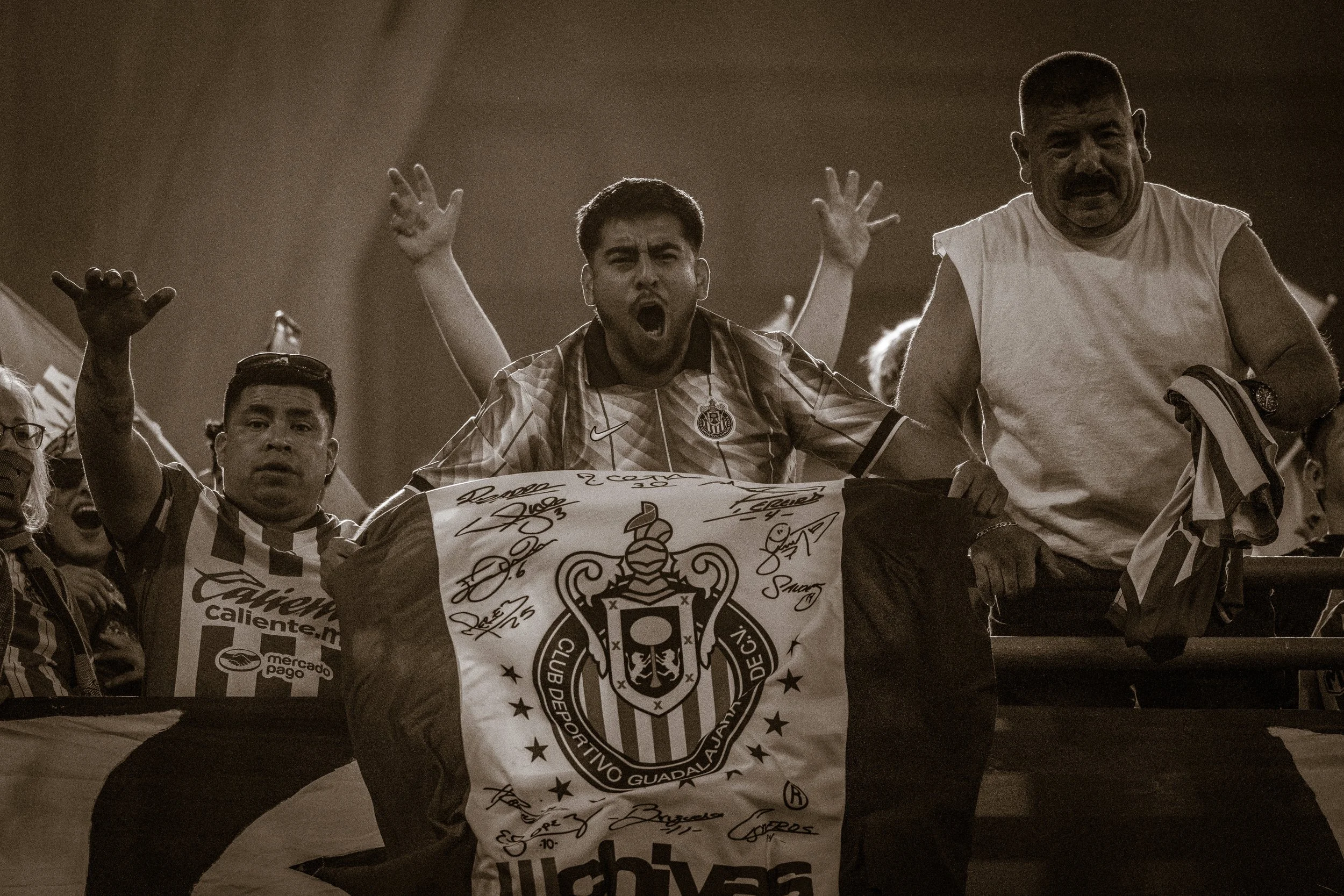
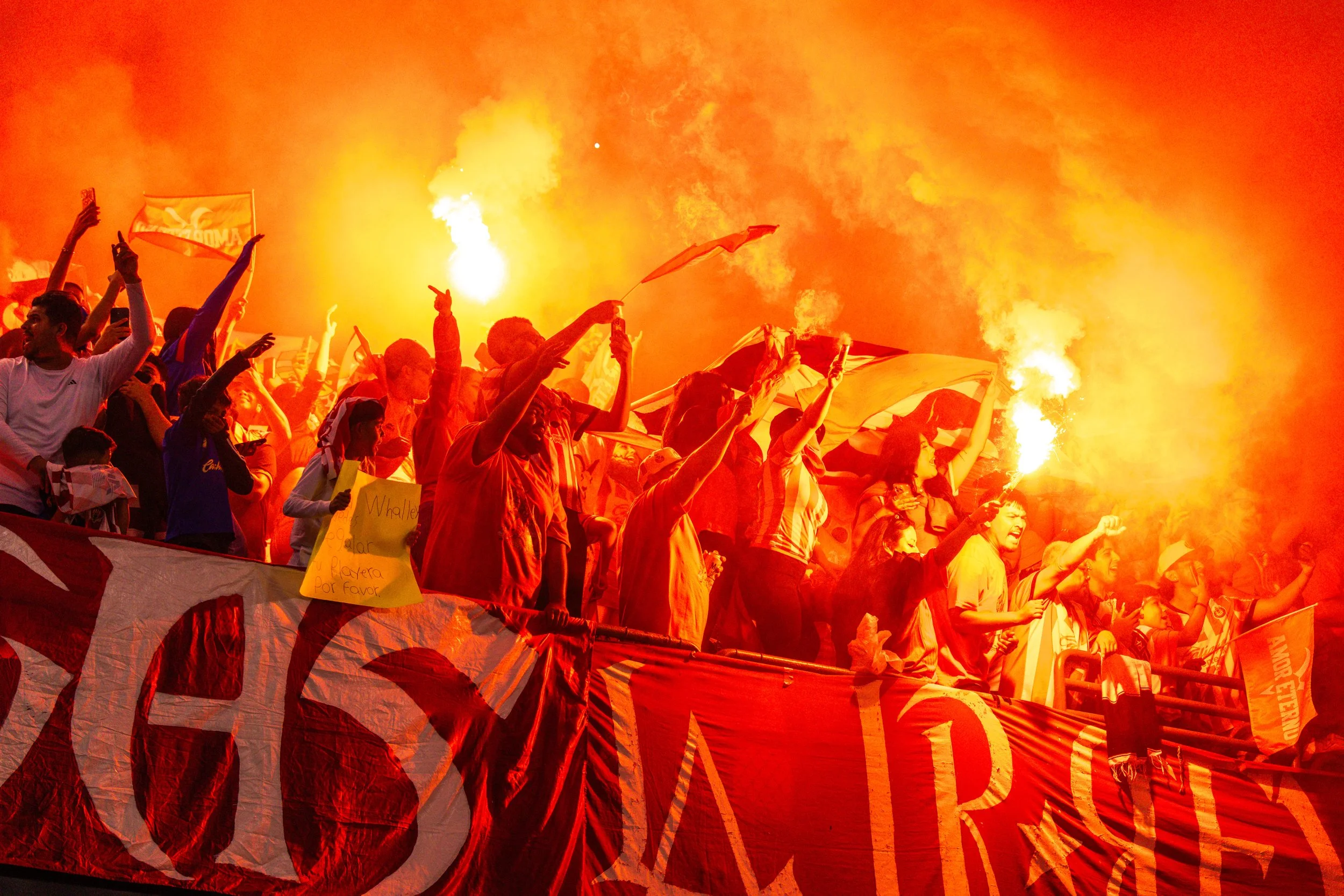
More than 60,000 supporters gathered in Oakland to witness another chapter of the Clásico Nacional, transforming the Coliseum into a celebration of Mexican soccer. Fans representing both clubs arrived wearing their traditional colors, waving flags, singing chants, and displaying the pride that has defined this rivalry for generations. With the match selling out in less than a week, the occasion demonstrated the enormous following that both Chivas and América continue to attract outside Mexico.
For many supporters across Northern California, the match represented a rare opportunity to experience one of Mexican soccer's biggest rivalries without traveling across the border. The excitement surrounding the event extended beyond the action on the field, as families, longtime fans, and younger generations came together to watch two clubs whose rivalry has shaped the history of the sport in Mexico.
Photography by Bryant Flores | FLORENZA | Instagram: @bryantfx
From the opening minutes, Guadalajara showed its intention to take control of the match. Under head coach Gabriel Milito, Chivas approached the contest with attacking ambition, looking to move the ball forward and place América's defense under pressure. The Águilas, meanwhile, attempted to establish possession and build opportunities of their own, but Guadalajara's aggressive start quickly placed its longtime rival in a difficult position.
The first major turning point arrived in the 14th minute when América midfielder Alejandro Zendejas was penalized for a handball inside the penalty area. The decision awarded Guadalajara a penalty kick and provided an early opportunity to take the lead. Ángel Sepúlveda stepped forward to face América goalkeeper Luis Ángel Malagón, carrying the responsibility of converting an important chance in front of a massive crowd.
Sepúlveda made no mistake from the penalty spot, finding the back of the net to give Chivas a 1-0 advantage. Guadalajara supporters immediately erupted in celebration as the opening goal gave the Rebaño Sagrado early momentum. For América, the setback meant having to respond against an opponent that had already established confidence and control in the opening stages of the match.
Rather than slowing down after taking the lead, Guadalajara continued searching for opportunities to increase its advantage. Chivas maintained its attacking approach and looked to capitalize on América's defensive struggles. Just eight minutes after the opening goal, Sepúlveda struck again.
In the 22nd minute, Fernando "Oso" González delivered a cross into the penalty area, where Sepúlveda found himself in position to connect with the ball. The Guadalajara forward rose to meet the delivery and directed a header into the net, doubling his team's lead and completing his brace before the match had reached the halfway point of the opening period.
With two goals in quick succession, Sepúlveda had established himself as the decisive figure of the evening. His finishing gave Guadalajara a commanding 2-0 advantage and left América facing the difficult task of overcoming a two-goal deficit against its fiercest rival.
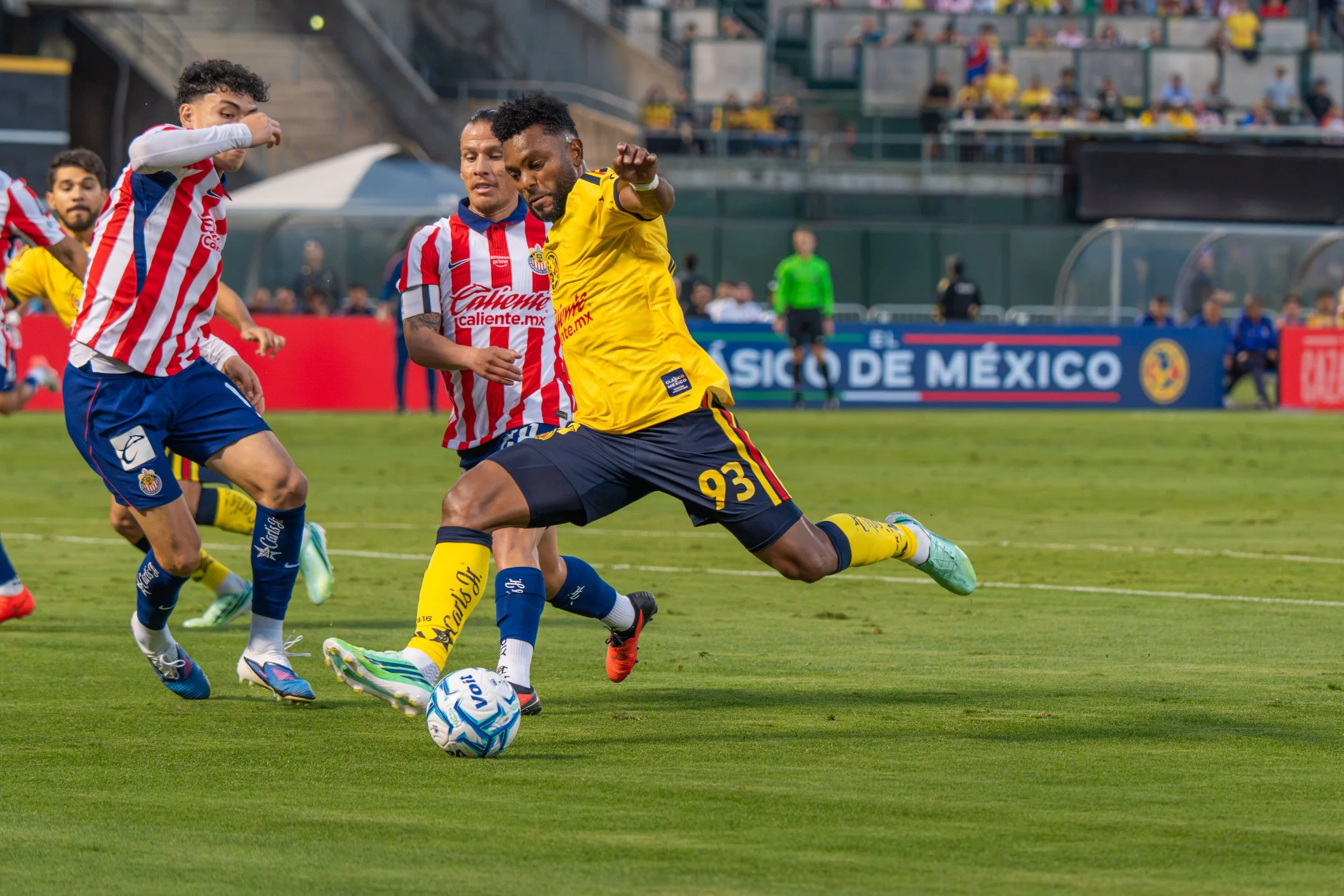
As the first half continued, the intensity between the two clubs became increasingly evident. Although no Liga MX points were at stake, the history of the Clásico Nacional ensured that neither side treated the contest as an ordinary exhibition. Players battled for possession, challenged aggressively, and competed for every opportunity to influence the match.
América attempted to settle into the game following Guadalajara's second goal, moving the ball through midfield and searching for ways to break through the Chivas defensive structure. However, Guadalajara remained organized, limiting dangerous attacking opportunities and making it difficult for the Águilas to establish a consistent rhythm in front of goal.
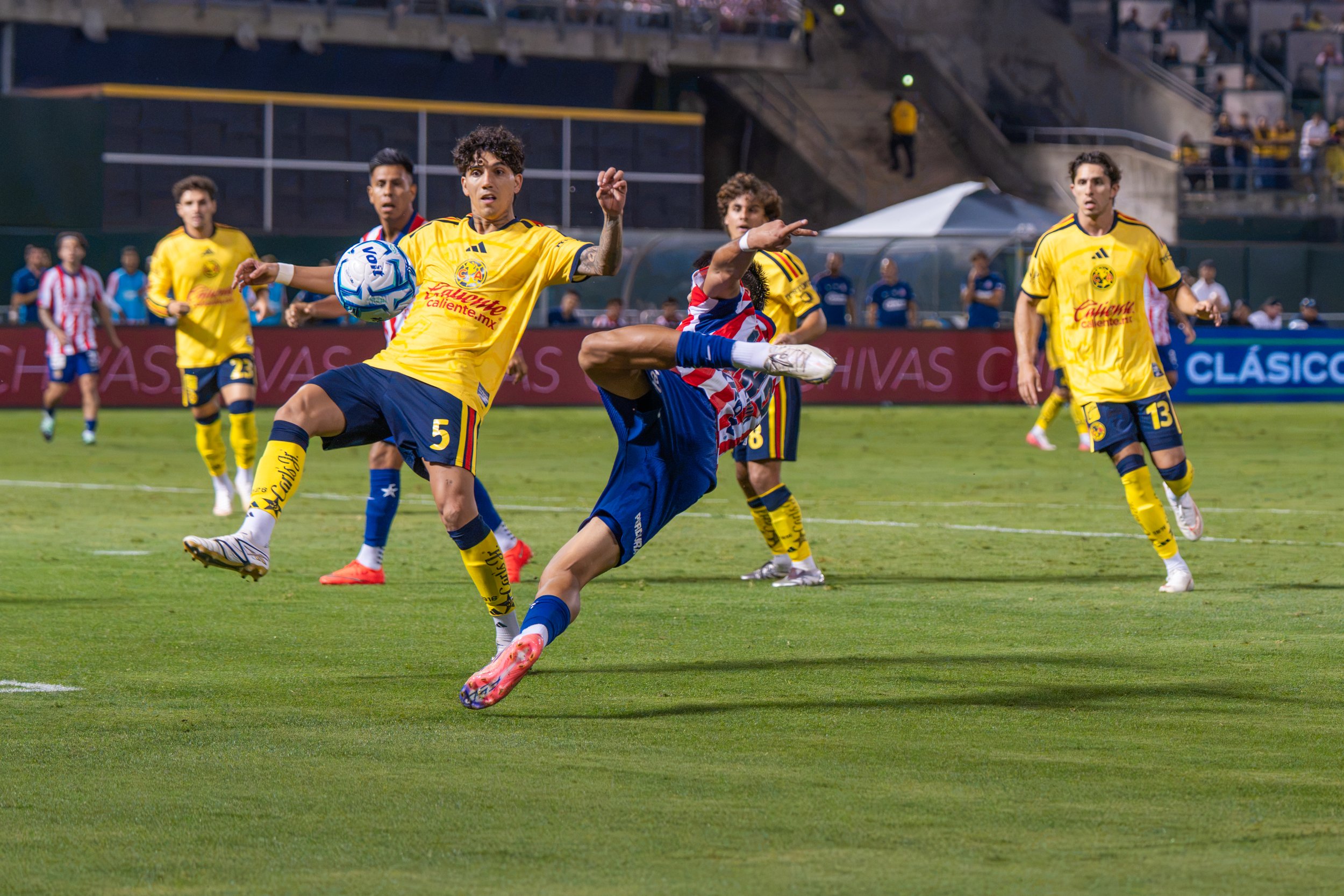
The competition on the field also produced physical challenges and moments of frustration as both teams fought to impose themselves. Refereeing decisions and confrontations between players added to the emotional nature of the evening, reminding spectators that the rivalry remained as competitive in Oakland as it would be in Mexico City or Guadalajara.
By halftime, Chivas held a 2-0 advantage thanks to Sepúlveda's clinical finishing. Guadalajara had taken advantage of its early opportunities, while América struggled to respond effectively. The scoreline reflected the difference in execution between the two clubs, with Chivas converting its chances and maintaining a disciplined defensive performance.
Photography by Bryant Flores | FLORENZA | Instagram: @bryantfx
Returning to the field for the second half, América faced the challenge of changing the direction of the match. The Águilas increased their efforts to move forward, attempting to create attacking opportunities and find a goal that could reduce Guadalajara's advantage. With 45 minutes remaining, an early response would have provided América with an opportunity to regain momentum and put additional pressure on its opponent.
Guadalajara, however, continued displaying the discipline that had helped establish its lead. Chivas remained compact defensively and worked collectively to limit passing lanes and prevent América from creating clear scoring opportunities. The Rebaño Sagrado balanced its defensive responsibilities with occasional attacking movements, looking for chances to extend the scoreline while avoiding unnecessary risks.
As the second half progressed, América experienced periods of possession but struggled to convert its efforts into goals. Guadalajara's defenders continued challenging for the ball and protecting the areas surrounding their penalty box, making it increasingly difficult for América to develop meaningful opportunities.
The physical nature of the contest also continued into the second half. Challenges, disagreements, and confrontations reflected the frustration and determination of both teams. Even as Guadalajara maintained its advantage, América continued competing in search of a breakthrough, while Chivas refused to allow its rival an easy path back into the match.
Photography by Bryant Flores | FLORENZA | Instagram: @bryantfx
Beyond the result, the match also provided an important opportunity for Guadalajara's younger players. With the international break affecting player availability, head coach Gabriel Milito used the occasion to give academy prospects valuable first-team experience. According to Guadalajara's official reporting, six academy players made their first-team debuts during the contest, including Carlos Hernández, Leonel Calderón, Rodrigo Parra, Jesús Hernández, Emiliano Rodríguez, and Aarón Correa.
For these young players, stepping onto the field during a Clásico Nacional represented a significant achievement. Although the encounter was an international friendly, the large crowd and emotional atmosphere offered valuable exposure to the expectations associated with professional soccer and competing against a historic rival.
The opportunity also highlighted Guadalajara's continued investment in developing players through its academy system. Chivas has long emphasized the importance of Mexican talent, and the club's ability to involve younger players in a high-profile fixture provided another example of that approach.
Photography by Bryant Flores | FLORENZA | Instagram: @bryantfx
Outside the competitive storyline, the match continued to showcase the connection between Mexican soccer and the Bay Area. Throughout the stadium, supporters representing both clubs created an atmosphere that reflected the significance of the rivalry within Mexican and Mexican-American communities.
For many families, supporting Chivas or América is a tradition passed down through generations. The opportunity to see these two clubs compete in Oakland allowed supporters to celebrate that connection while introducing younger fans to the excitement of the Clásico Nacional.
The event's popularity also illustrated the continued demand for major international soccer events in Northern California. The strong ticket sales and attendance demonstrated how deeply connected local communities remain to Mexican clubs, even when matches take place thousands of miles from their home stadiums.
As the closing stages approached, Guadalajara continued controlling its advantage while América searched for a late response. Despite its determination to find the net, the Águilas were unable to break through Chivas' defensive organization. Every unsuccessful attack brought Guadalajara closer to securing a shutout victory over its greatest rival.
Photography by Bryant Flores | FLORENZA | Instagram: @bryantfx
When the final whistle sounded, Guadalajara had secured a 2-0 victory, completing a successful evening in Oakland and earning another memorable result against Club América. Sepúlveda's two first-half goals ultimately decided the contest, while Chivas' defensive performance ensured that América finished the evening without finding the back of the net.
For Milito, the victory also added to an impressive record in rivalry matches. According to Guadalajara, the manager remained unbeaten through nine clásicos against América and Atlas, recording seven victories and two draws. Although the result did not affect the Liga MX standings, it offered another encouraging performance for Guadalajara and its supporters.
For América, the defeat presented several areas to evaluate before returning to domestic competition. The Águilas struggled to recover from Guadalajara's early attacking success and were unable to generate the finishing required to challenge the two-goal advantage. Despite periods of possession and continued efforts throughout the second half, América left the Oakland Coliseum without a goal.
Chivas, meanwhile, departed with the satisfaction of defeating its fiercest rival while providing important minutes to emerging players. The combination of Sepúlveda's finishing, Guadalajara's disciplined defending, and the opportunities given to academy prospects made the evening a positive occasion for the Rebaño Sagrado.
The October 4 meeting ultimately demonstrated that the Clásico Nacional remains much more than an ordinary soccer match. Regardless of the competition, venue, or circumstances, meetings between Chivas and América continue to carry a level of emotion and pride that extends far beyond the final score.
For the thousands of supporters in attendance, the encounter delivered an opportunity to experience Mexican soccer history in Northern California. The rivalry brought together generations of fans, transformed the Oakland Coliseum into a stage for one of the sport's biggest matchups, and provided another memorable chapter in the relationship between Mexican soccer and its supporters in the United States.
On a night when the Clásico de México took center stage in the Bay Area, Guadalajara emerged victorious. Ángel Sepúlveda delivered the decisive goals, Chivas protected its advantage, and the Rebaño Sagrado left Oakland with a 2-0 victory and the bragging rights that come with defeating Club América.
Photography by Bryant Flores | FLORENZA | Instagram: @bryantfx
Final Score: Chivas Guadalajara 2–0 Club AméricaGoals: Ángel Sepúlveda (14' penalty, 22')Venue: Oakland Coliseum, Oakland, CaliforniaCoverage: FLORENZA
